Visiting Artist Feature: Mike Jabbur
This month’s Meet the Maker feature is a look into the life of Visiting Artist, Mike Jabbur who is teaching with us in March.
By means of the functional vessel, Mike’s work discusses human interaction and shared experience, highlighting actions and events that simultaneously enrich lives and celebrate the positive aspects of being.
Learn more about Mike below and sign up for the artist talk! Mike’s Workshop has one spot available.
HT: A brief bio about you! (Can be a couple of sentences about yourself, your work and where you’re from)
MJ: I grew up in Sacramento, CA and moved to Northern VA for high school. I attended Virginia Tech, where I got my degree in graphic design, but fell in love with making pottery. I moved to Kansas City after college for an internship at Red Star Studios, where I later became Artist in Residence. I went to Ohio University for my M.F.A., then got my first job in the field in Santa Fe, NM at Santa Fe Clay, as their studio manager. From there, I was offered my current position at William & Mary, and I moved to Williamsburg, VA in 2011.
In addition to making pottery, I enjoy cooking, playing guitar, attending concerts, and traveling. I have two dogs: Trudy and Foxtrot, and they get me out for a couple long nature walks every day.
HT: Tell us a little bit about the style of work you enjoy making most!
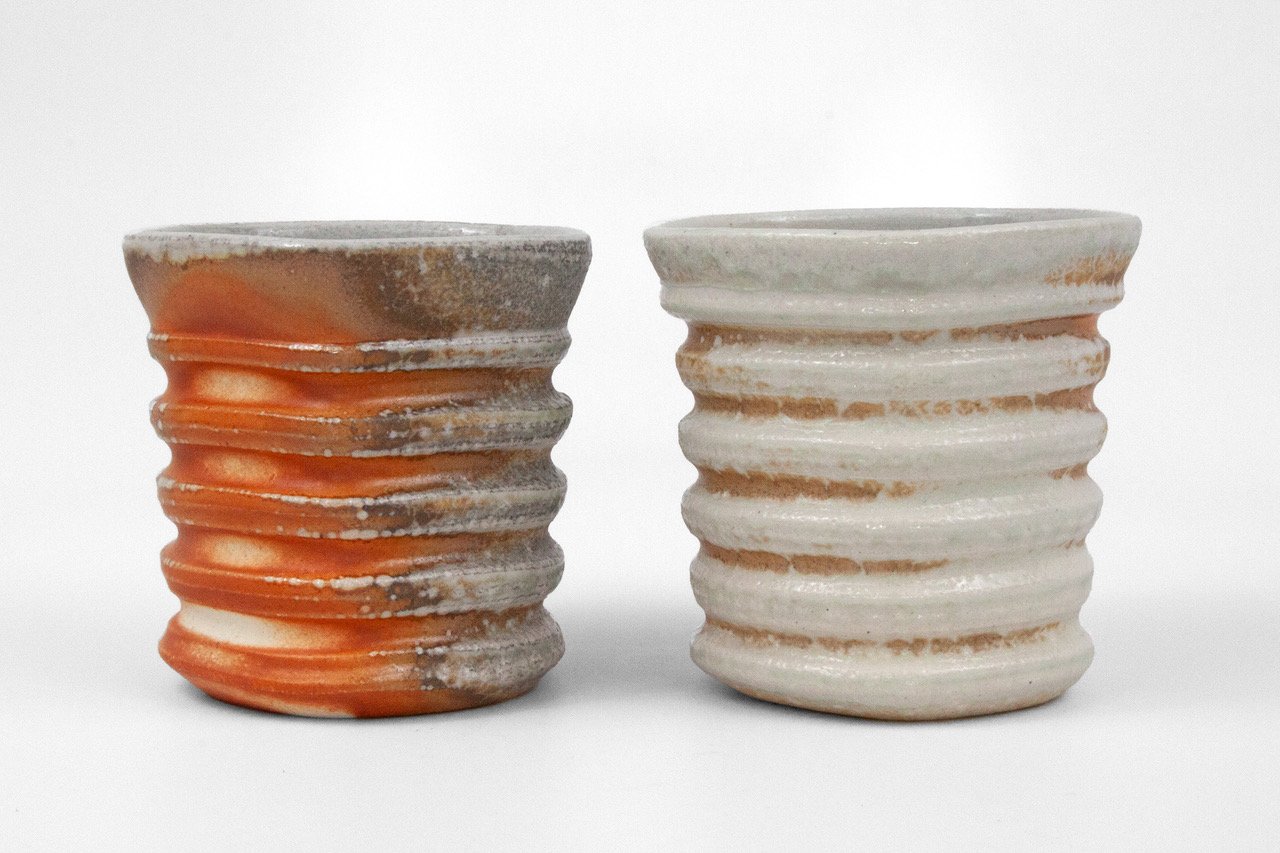
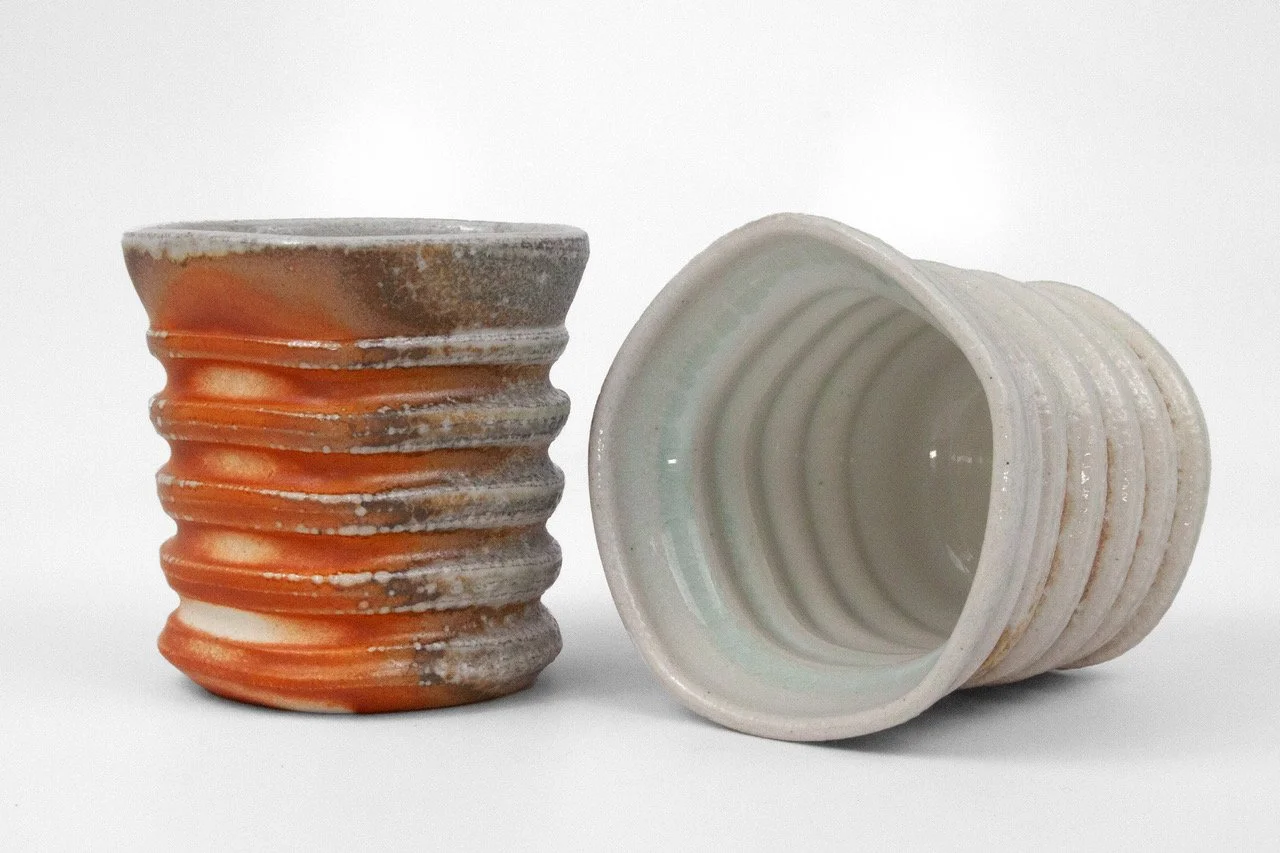
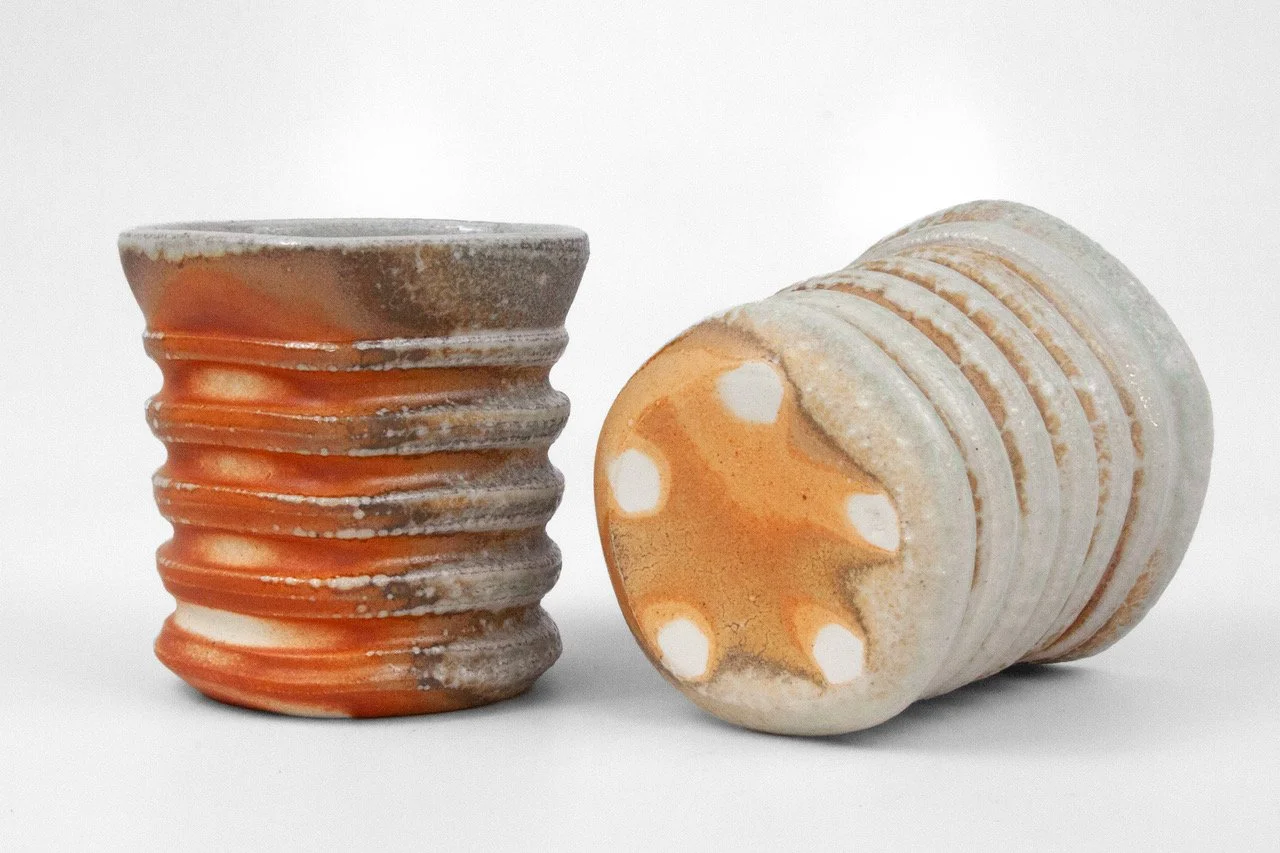
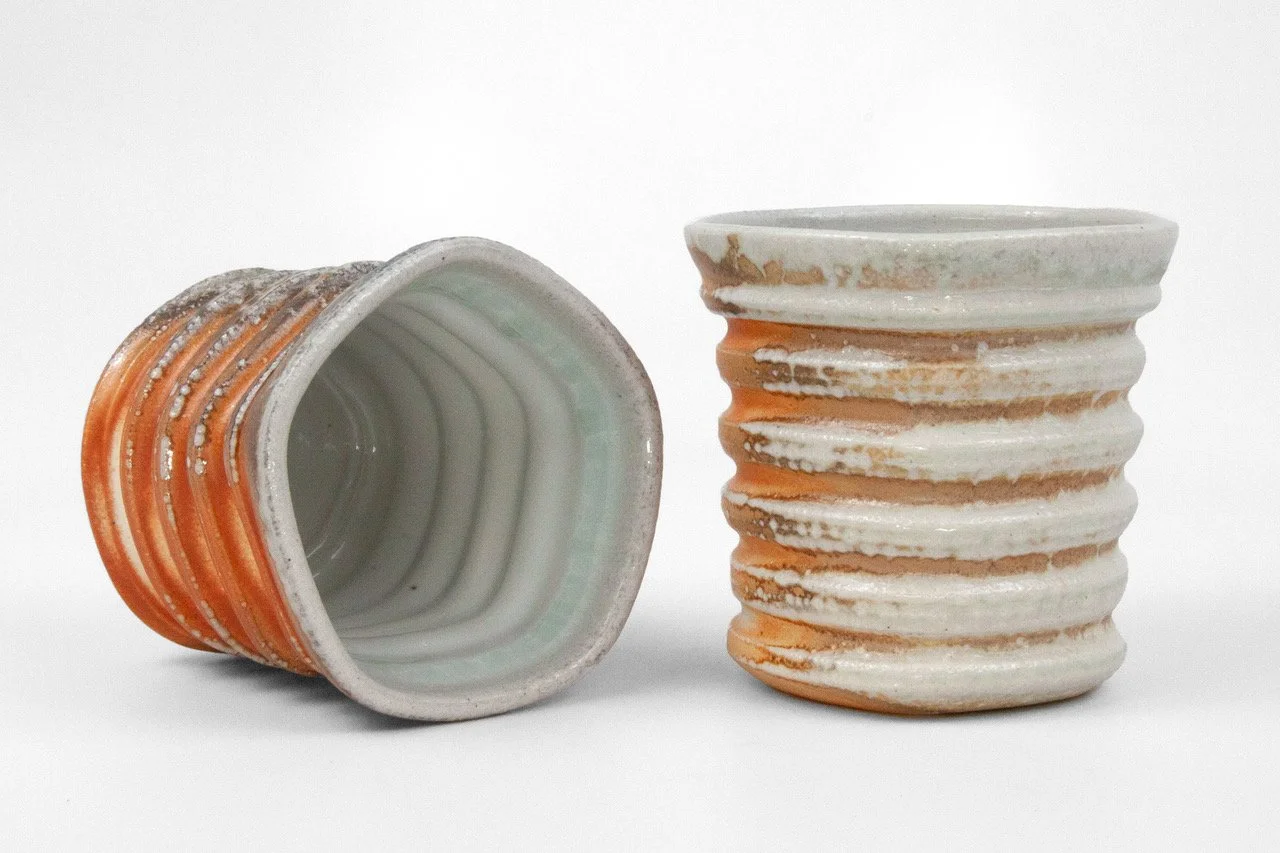
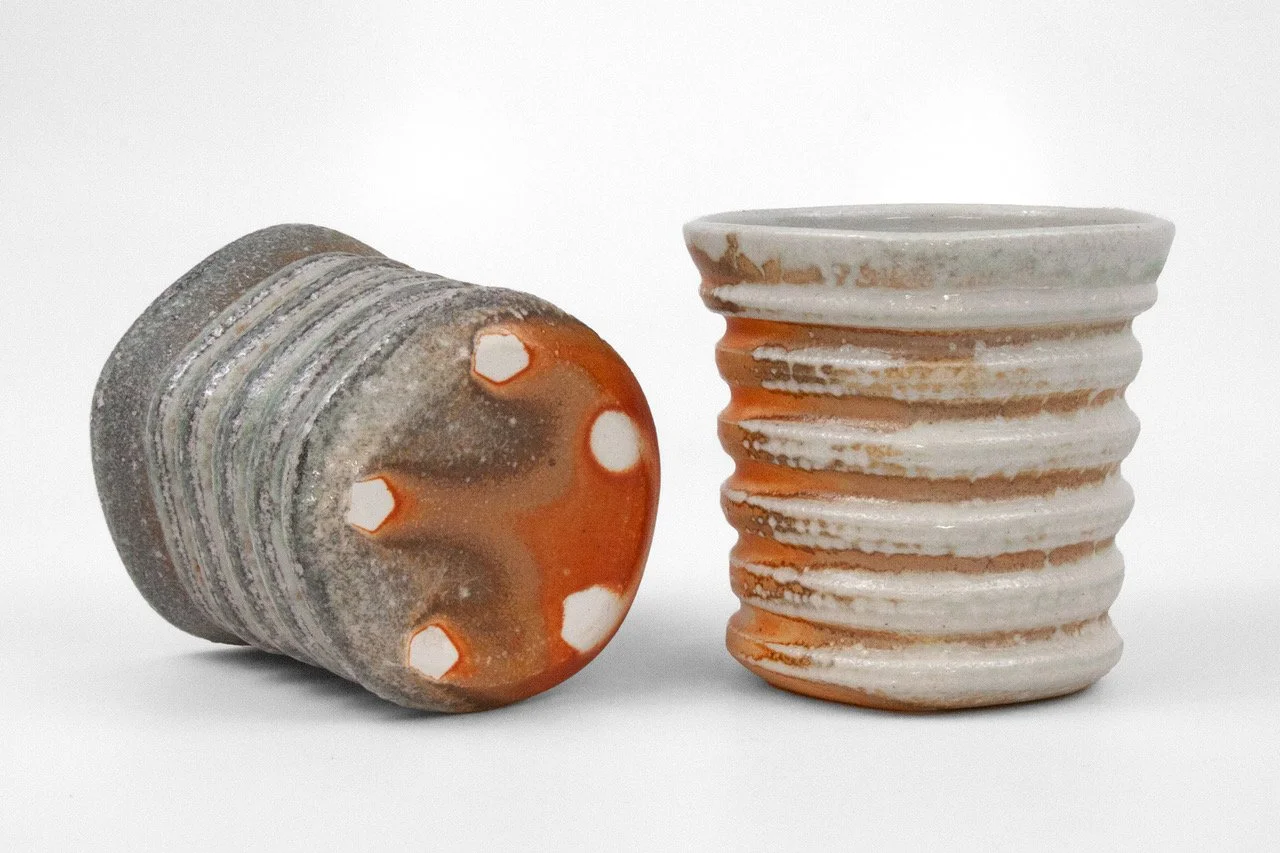
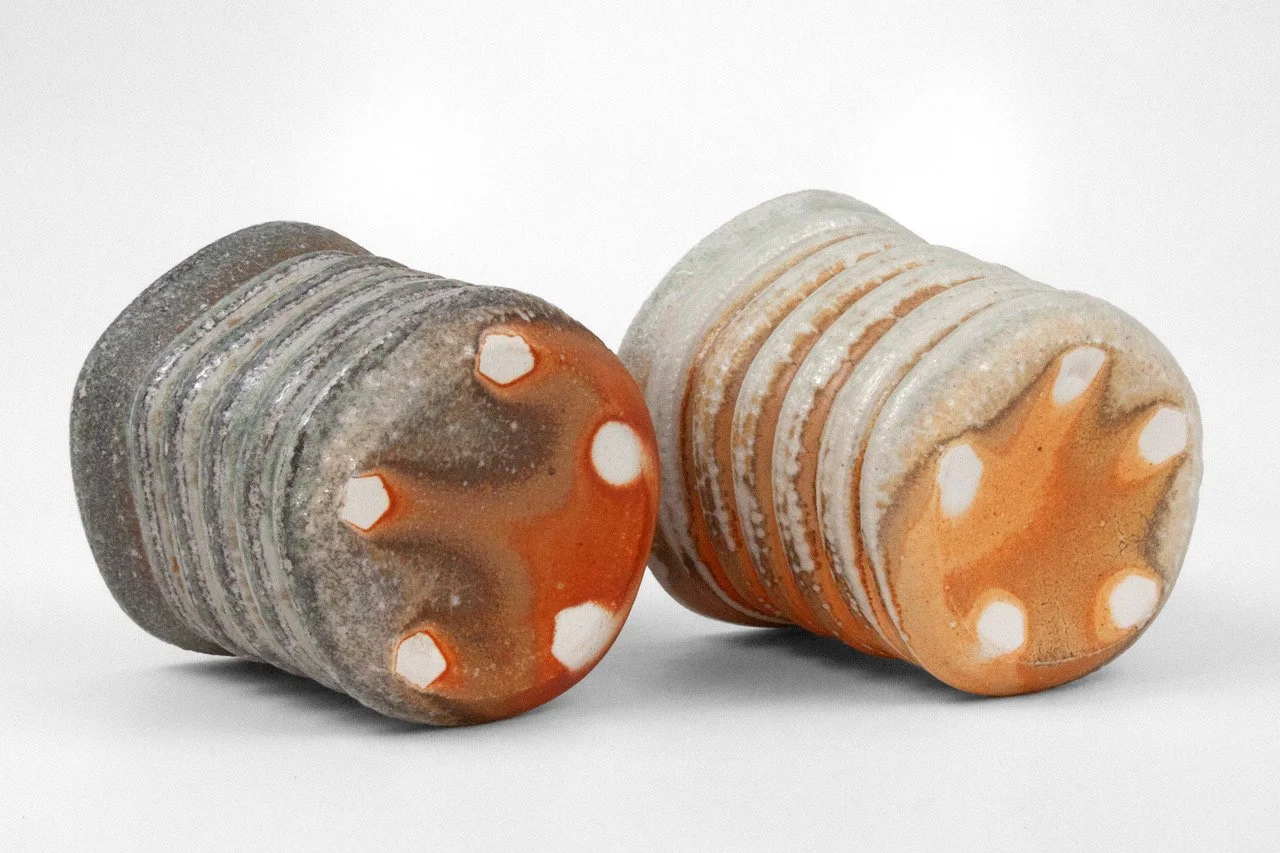
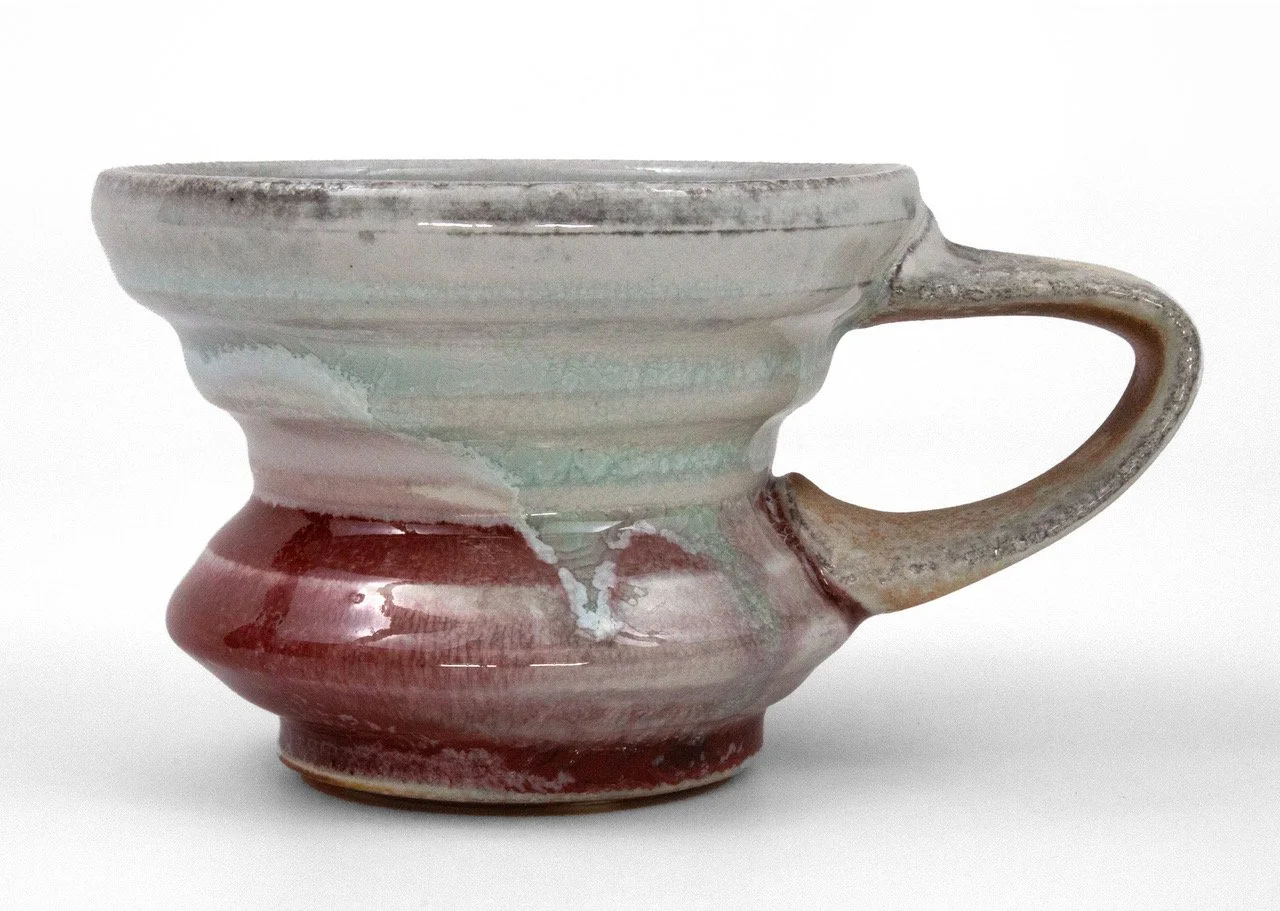
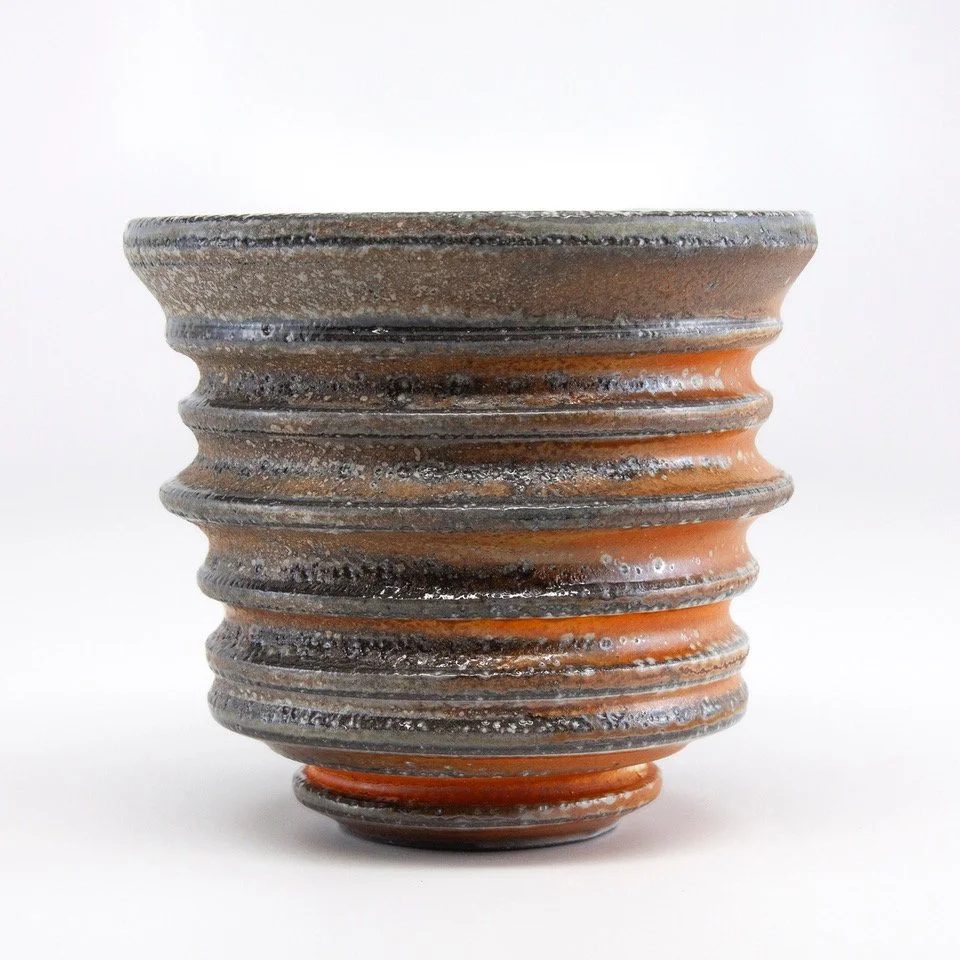
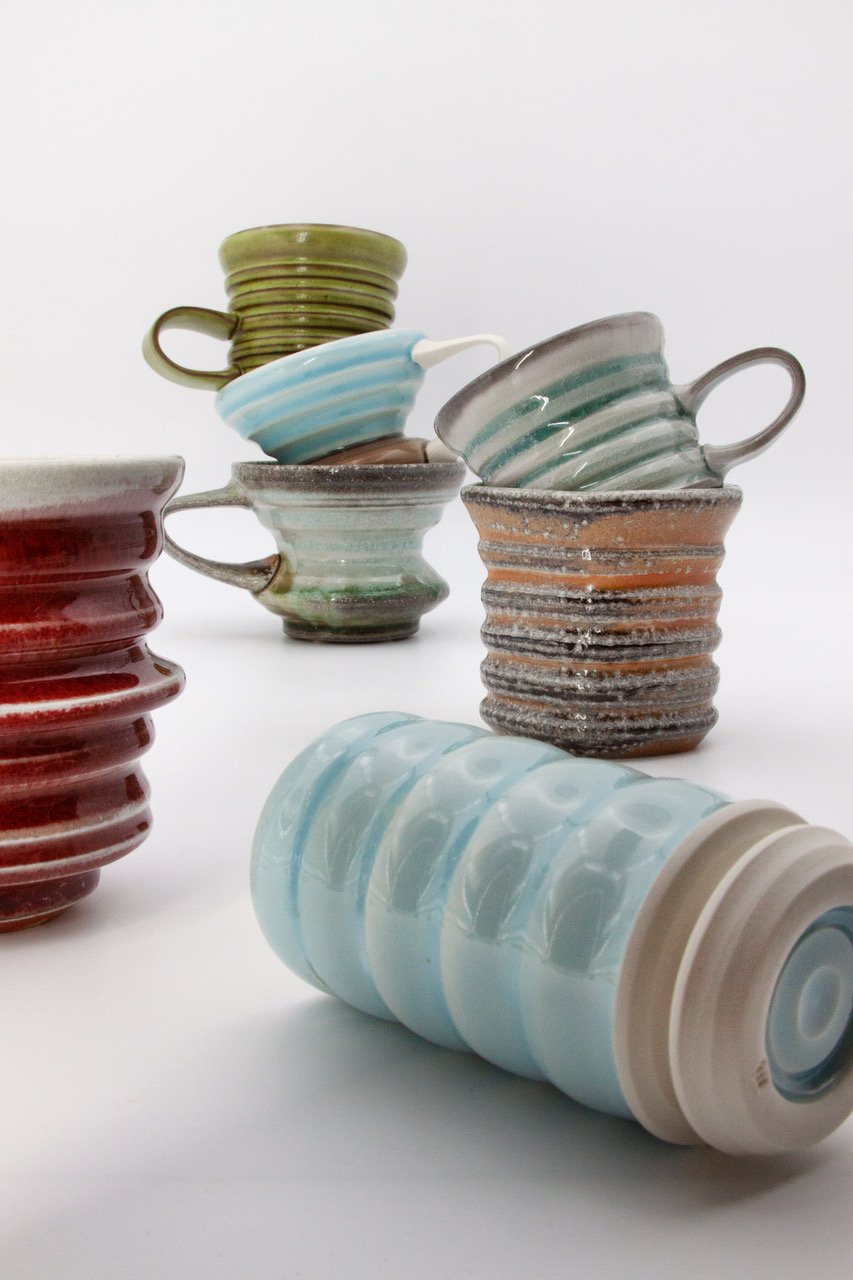
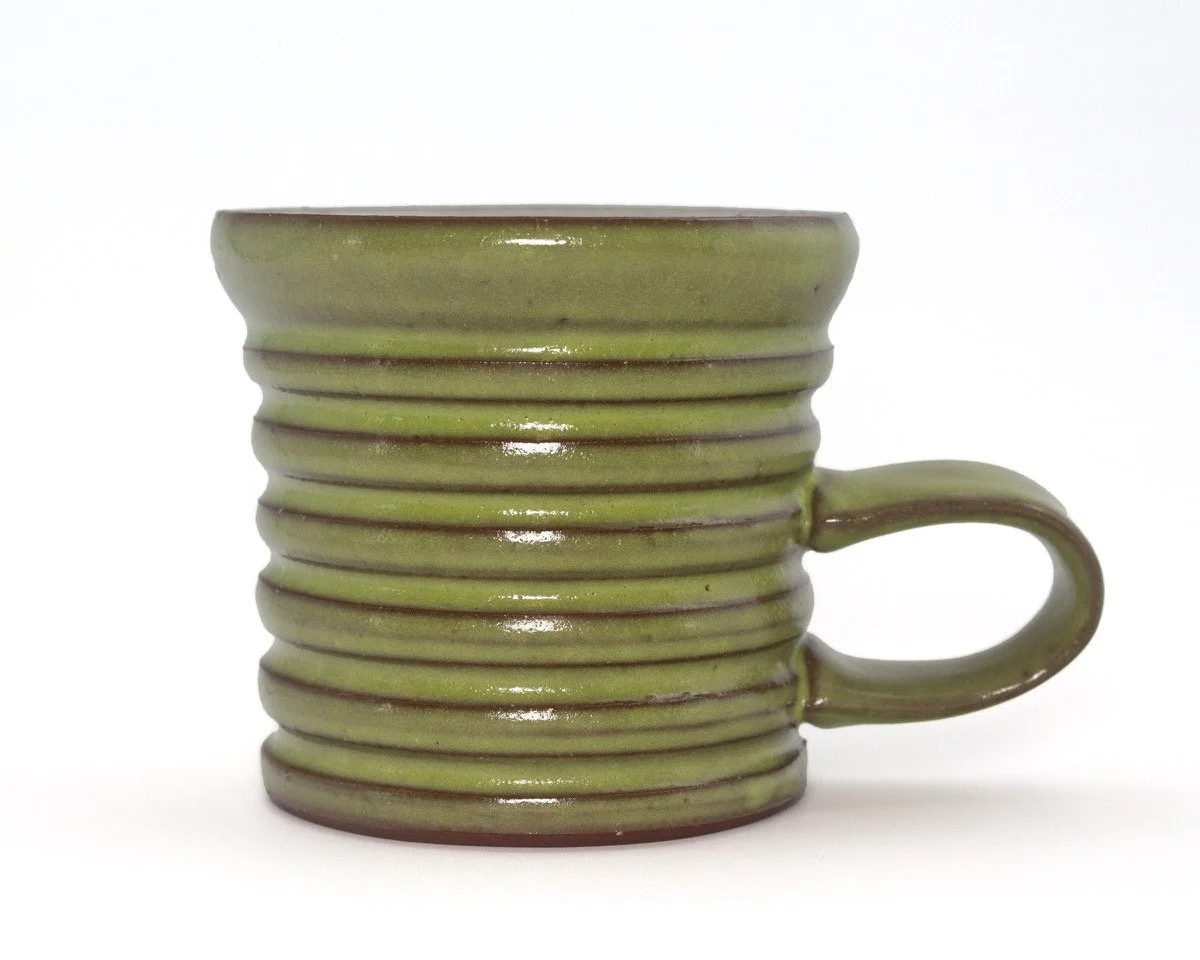
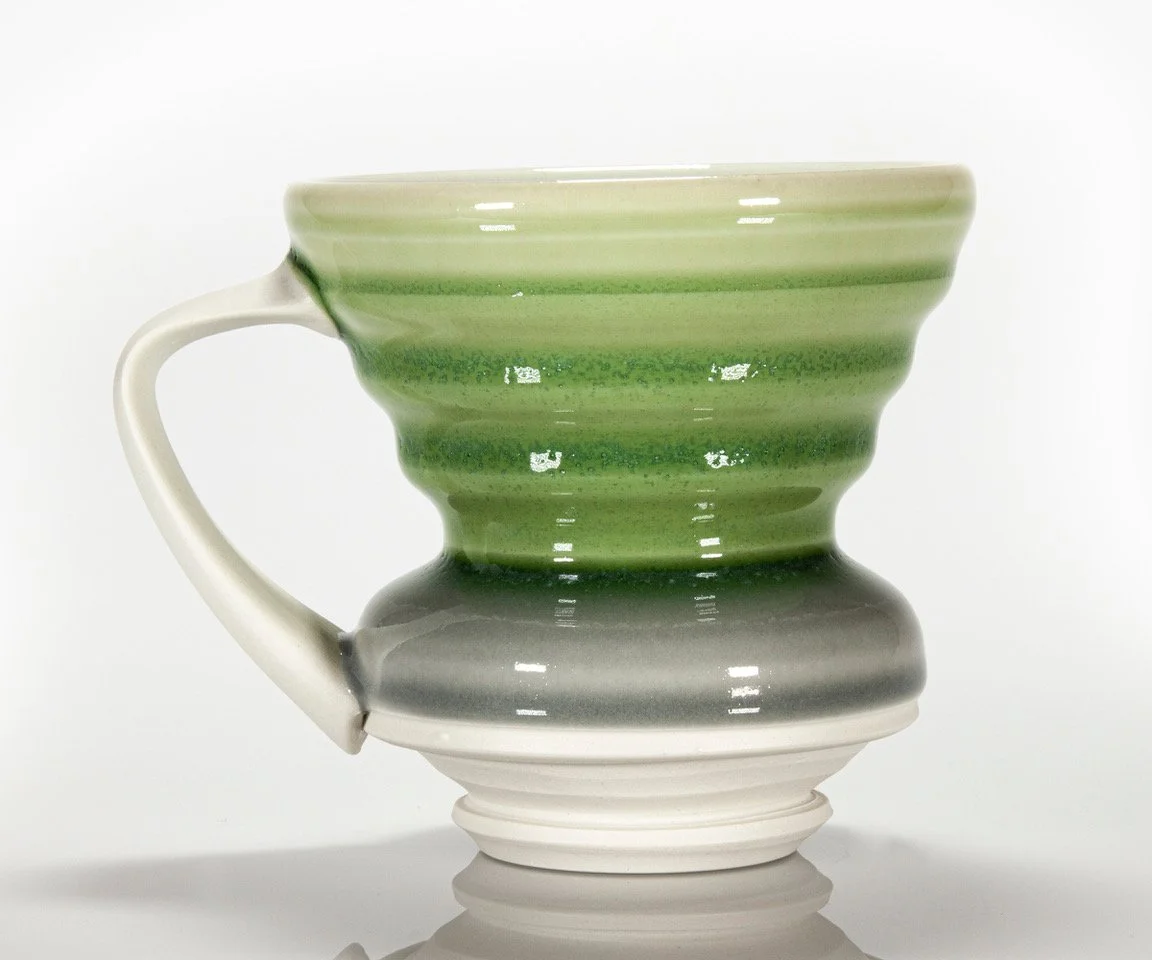
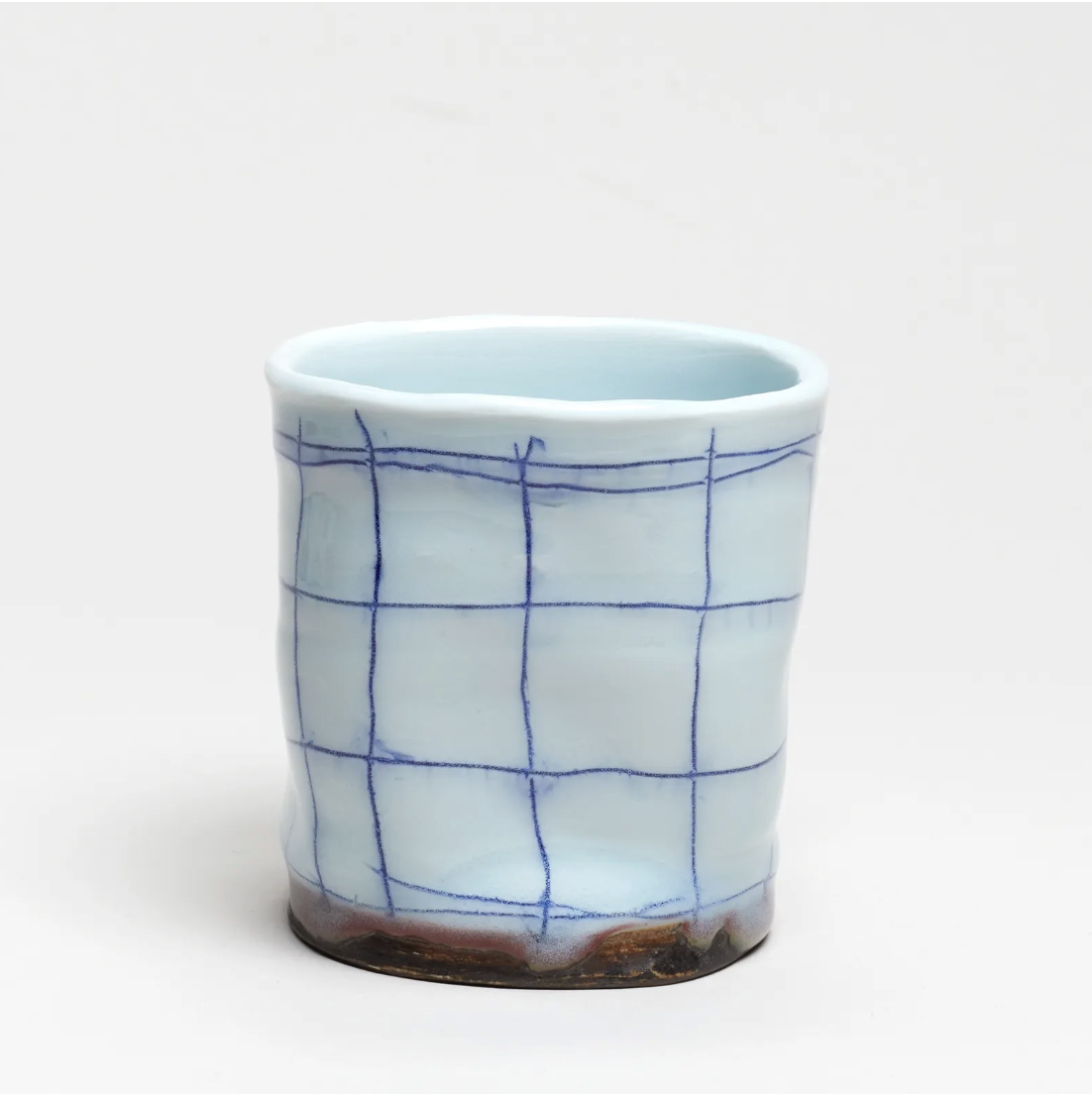
MJ: I make utilitarian pots, mostly for the kitchen. While I try not to lock myself into materials or processes, I mostly wheel throw my work—sometimes with alteration out of round and additional construction. I mostly use porcelain in an electric kiln, and various high-alumina porcelains and stonewares in a soda kiln. Recently, I’m experimenting with red clays at mid-range, both electric- and soda-fired. My favorite forms to make have always been cups, jars, teapots, and bowls.
HT: What originally drew you to working with clay?
MJ: I took ceramics in high school and didn’t connect. We had a strong program and my friends were already really good at throwing—I found it frustrating. Later, in college, my program required intro-level courses in all our studio courses. This second experience at the potter’s wheel was very different. Something had sunk in and it felt very natural. I grew obsessed with learning the wheel, long before I developed any passion for the history of ceramics. I also strongly connected with the idea of making art that served a practical function. The “crafts” component made the work especially interesting. At the same time, I was growing less and less interested with graphic design.
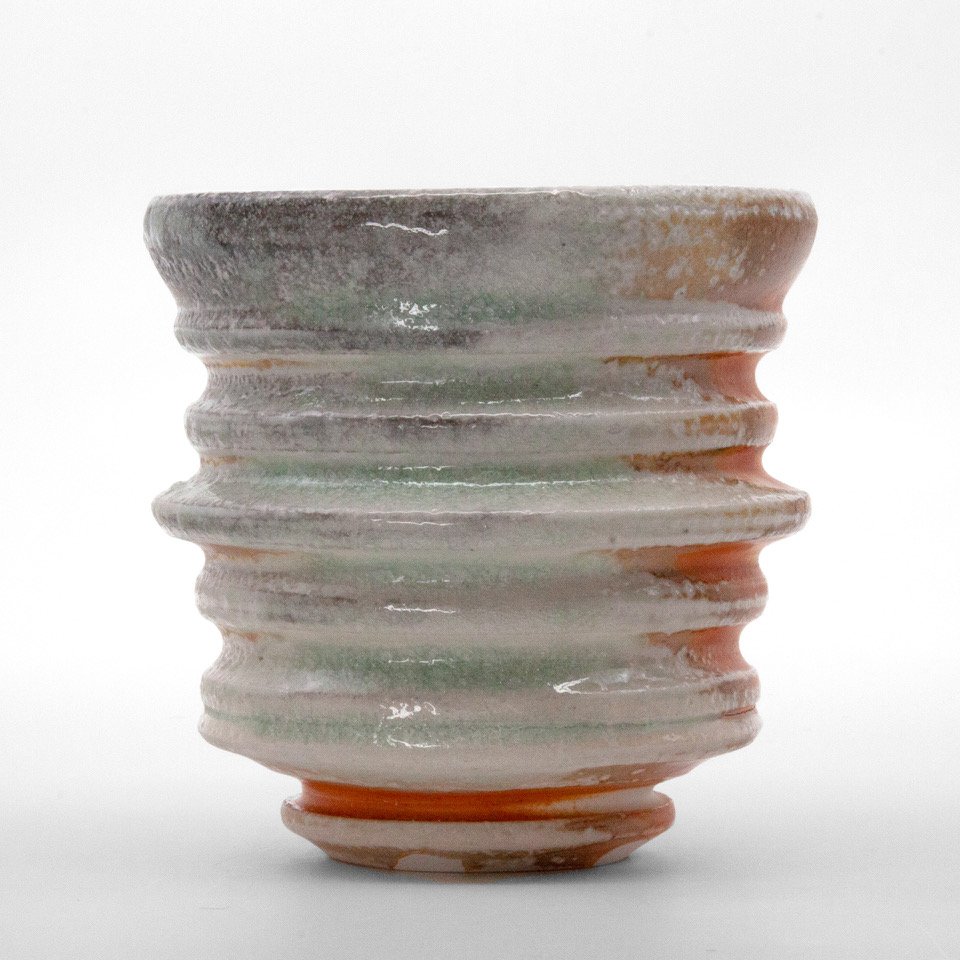
“This second experience at the potter’s wheel was very different. Something had sunk in and it felt very natural. I grew obsessed with learning the wheel, long before I developed any passion for the history of ceramics. I also strongly connected with the idea of making art that served a practical function.”
HT: What are you teaching during your workshop?
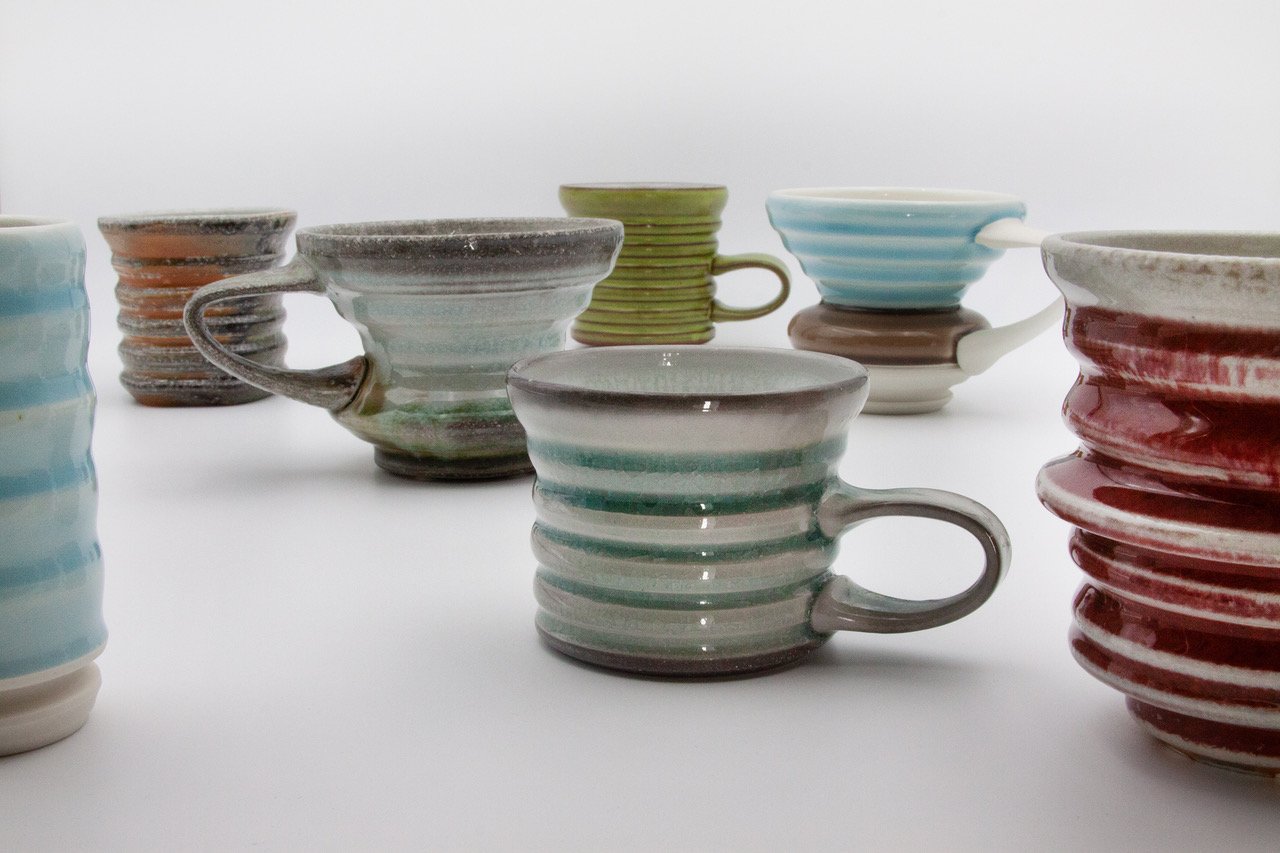
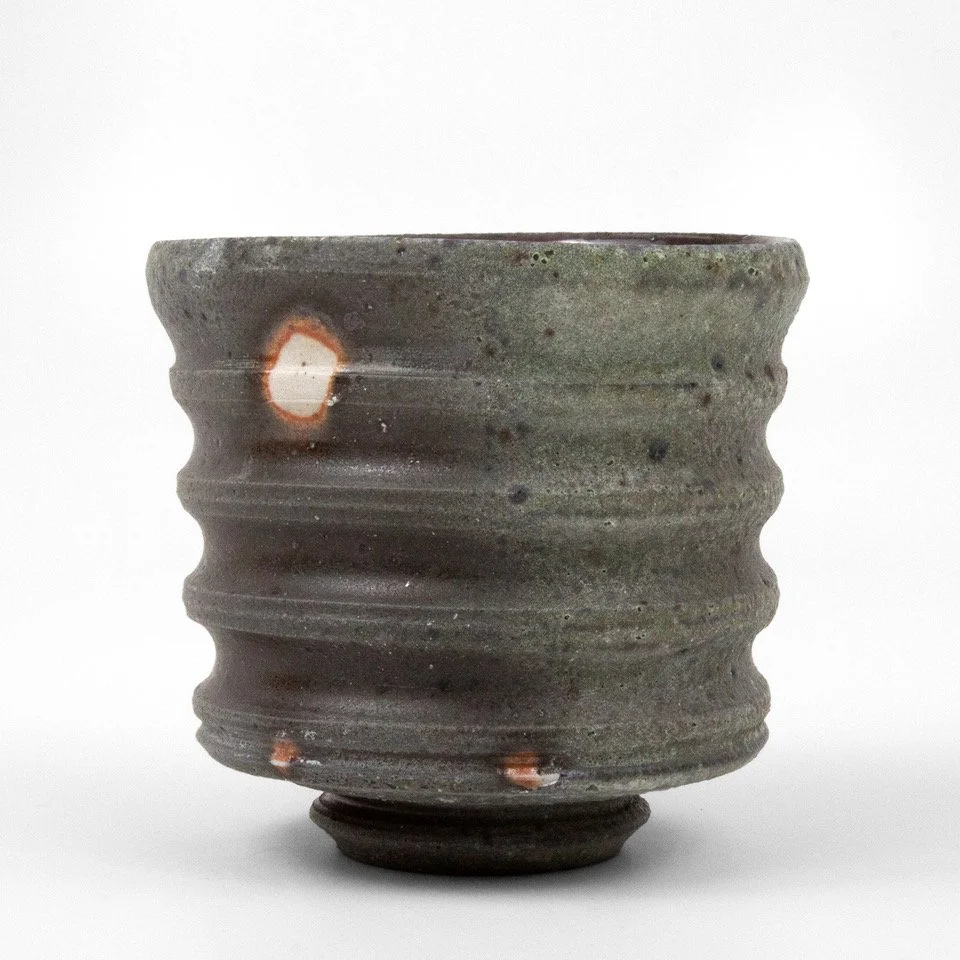
MJ: This workshop focuses solely on cups, all originating at the potters wheel. I plan to throw a variety of cup forms for different drinks and different types of experiences, and to demonstrate some handle forms and processes.
HT: Who should take your class?
MJ: Anyone who enjoys making pottery at the wheel and wants to learn more techniques and philosophy around making—especially regarding cup forms (although much of the content will relate to any form-type).
HT: What type of clay do you like to work with, why?
MJ: It’s more that I like different types of clay for different purposes. Other than enjoying a plastic, workable clay, I don’t have strong preferences. I like porcelain for its whiteness, its interaction with celadon-type glazes, and its bone-like surface when finely sanded. I like the earthiness of stonewares, especially in soda kilns. Lately, I’ve been using high-alumina stoneware and porcelain for the soda kiln to eliminate the need for flashing slips. In my classroom, we use red clay at cone six, and that research is finding its way into my studio as well.
HT: Who are some artists you admire, why?
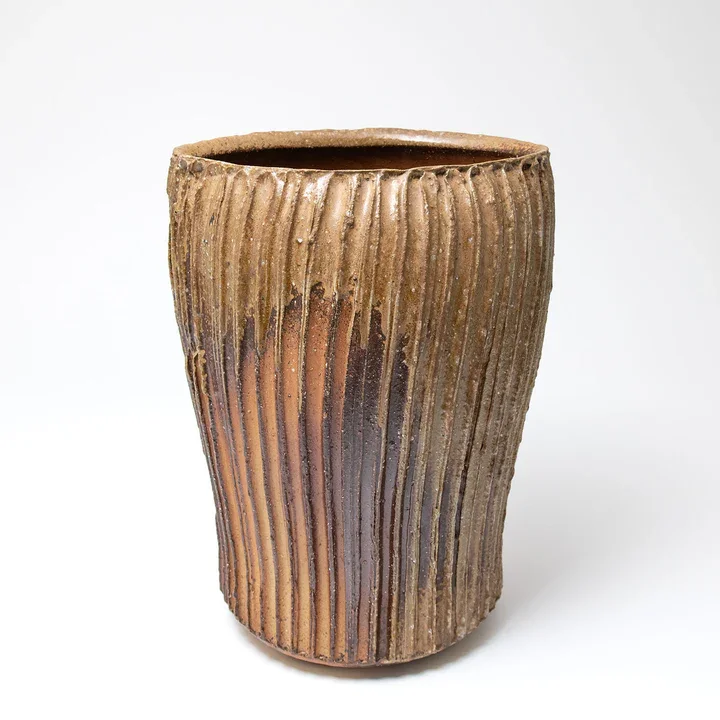
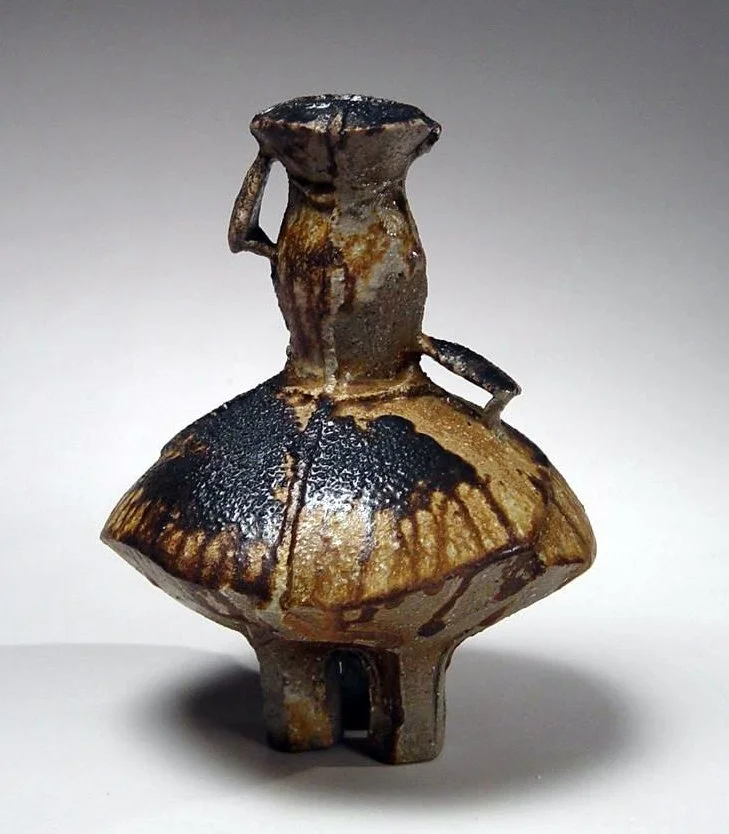
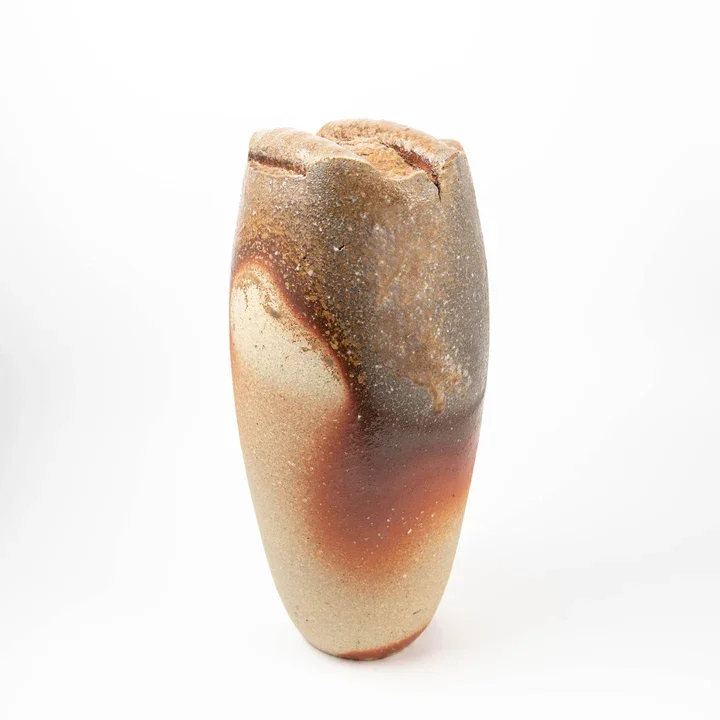
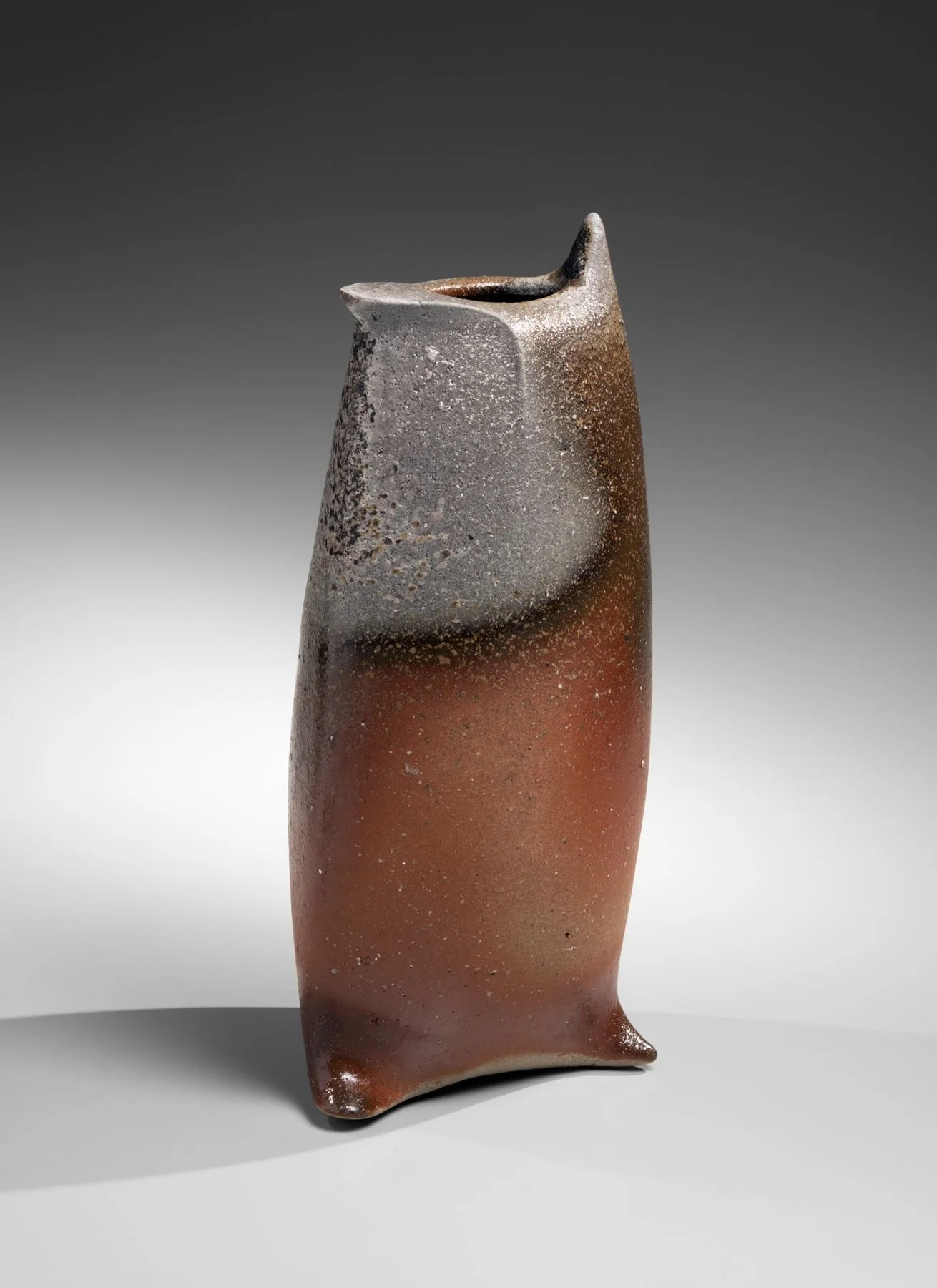
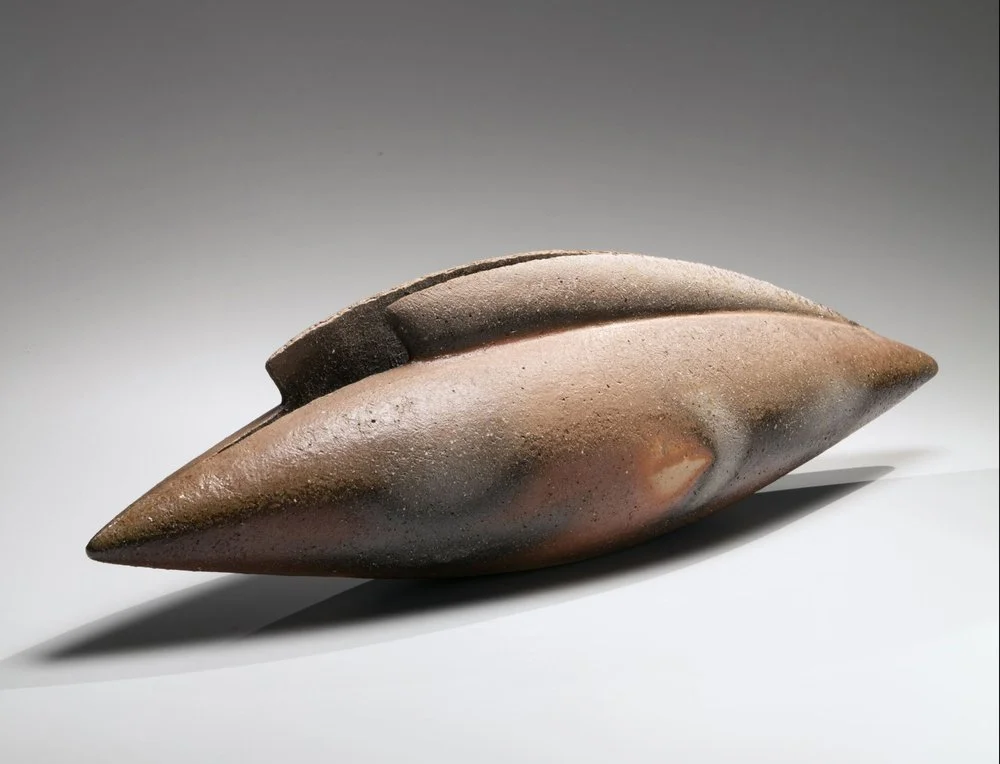
MJ: Lately I’ve been most interested in Japanese pottery—especially those who straddle the line between fully functional pottery and highly sculptural vessels. Current favorites include Masamichi Yoshikawa, Ryūichi Kakurezaki, Higashida Shigemasa, Koichiro Isezaki, and Akio Niisato.
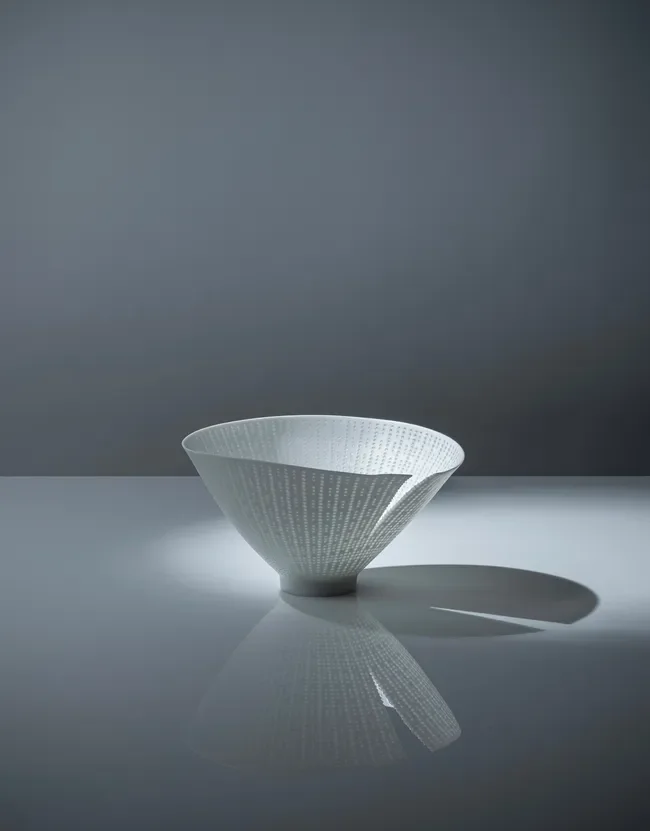
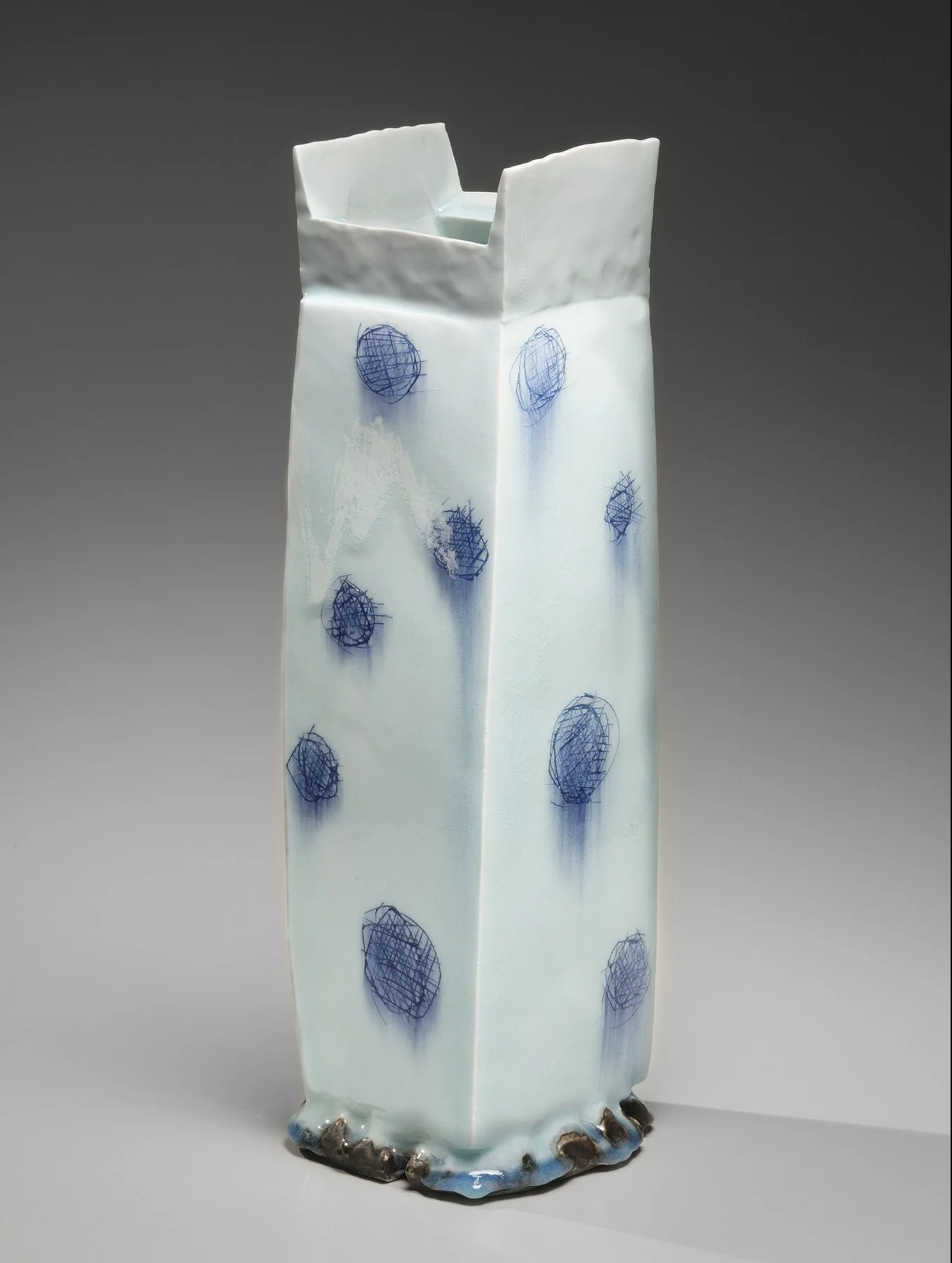
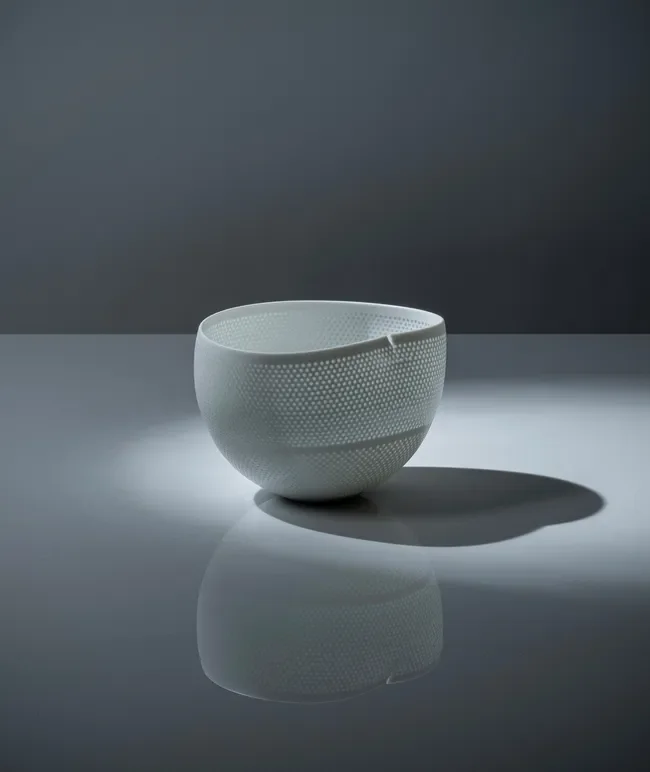
HT: Where do you find inspiration for your work?
MJ: I find inspiration from cooking, living with and using pottery, nature, music, industrial and craft design, and much more! I relate to Rick Rubin’s analogy of having “antennae” up and alert at all times, as you never know when or how inspiration will strike.
HT: Do you have a favorite step within your process?
MJ: My favorite days in the studio are when I walk in to find perfectly leather-hard pots for trimming. There’s nothing like trimming round pots at the wheel, for me. And, of course, unloading a great kiln—unloading a bad kiln…not so much.
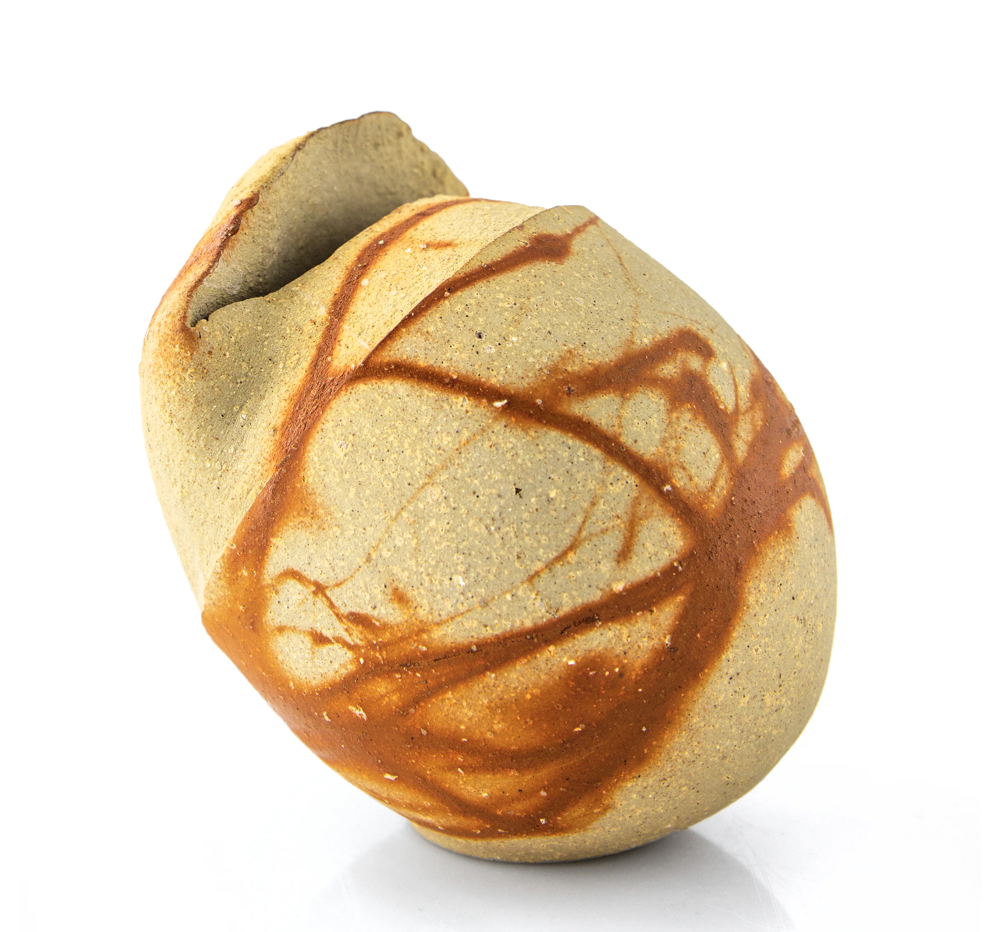
Small Vase by Koichiro Isezaki
HT: Describe your favorite piece of pottery (currently). Share a photo with us.
MJ: My current favorite piece is a small vase by Koichiro Isezaki. It’s in my music area where I play guitar—serving a similar role as a water jar in the Japanese Tea Ceremony—it’s the only piece of art in the space, serving as a meditative piece for contemplation.
HT: What is your favorite tool, why?
MJ: Probably the tool I use the most is my air compressor. I use it when I trim to blow out the trimming scraps. Sounds like nothing, but I often trim a little on the wet side, and I trim undercuts everywhere, so the ability to blow out scraps as I work is game-changing. And I also use it to blow off my bisqueware before glazing, and with my spray booth for spraying slips and glazes. But is it my favorite? I definitely wish it were quieter!
HT: What’s your sign?
MJ: Leo
HT: Cats? Dogs? Or other!
MJ: Two dogs—Trudy (5 years old…golden retriever) and Foxtrot (1 year?—rescue…beagle, lab, golden retriever, german shepherd, pit bull, chihuahua, supermut)
HT: What’s next for you? Tell us about your practice.
MJ: I’m currently working through several new clay bodies I formulated or tested during my last sabbatical—trying to figure out which I like best and how to fire them for the surfaces I prefer. I’m also delving into red clay and cone 6 firing. I would love to get all of my firing down to cone 6 regardless of if it’s red or white clay, stoneware or porcelain. That’s a long-term goal I’m slowly working towards.